
Reduces winter heat loss
Uninsulated brick veneer walls let heat escape quickly. Cavity insulation slows this loss, keeping living areas warmer and reducing reliance on heaters.
Mordialloc Wall Insulation
Cavity wall insulation fills the gap in brick veneer walls to stop draughts and heat loss. Expert Insulation Melbourne installs it in Mordialloc homes with minimal disruption, using materials suited to Melbourne’s climate swings.
Share your details and Expert Insulation Melbourne will contact you about Cavity Wall Insulation in Mordialloc.
Cavity wall insulation is injected into the air gap between the inner and outer leaves of brick veneer walls. It reduces heat transfer through the walls, cutting winter heat loss and summer heat gain. In Mordialloc, where cold southerlies and hot northerlies are common, this makes a noticeable difference to indoor comfort and heating costs.
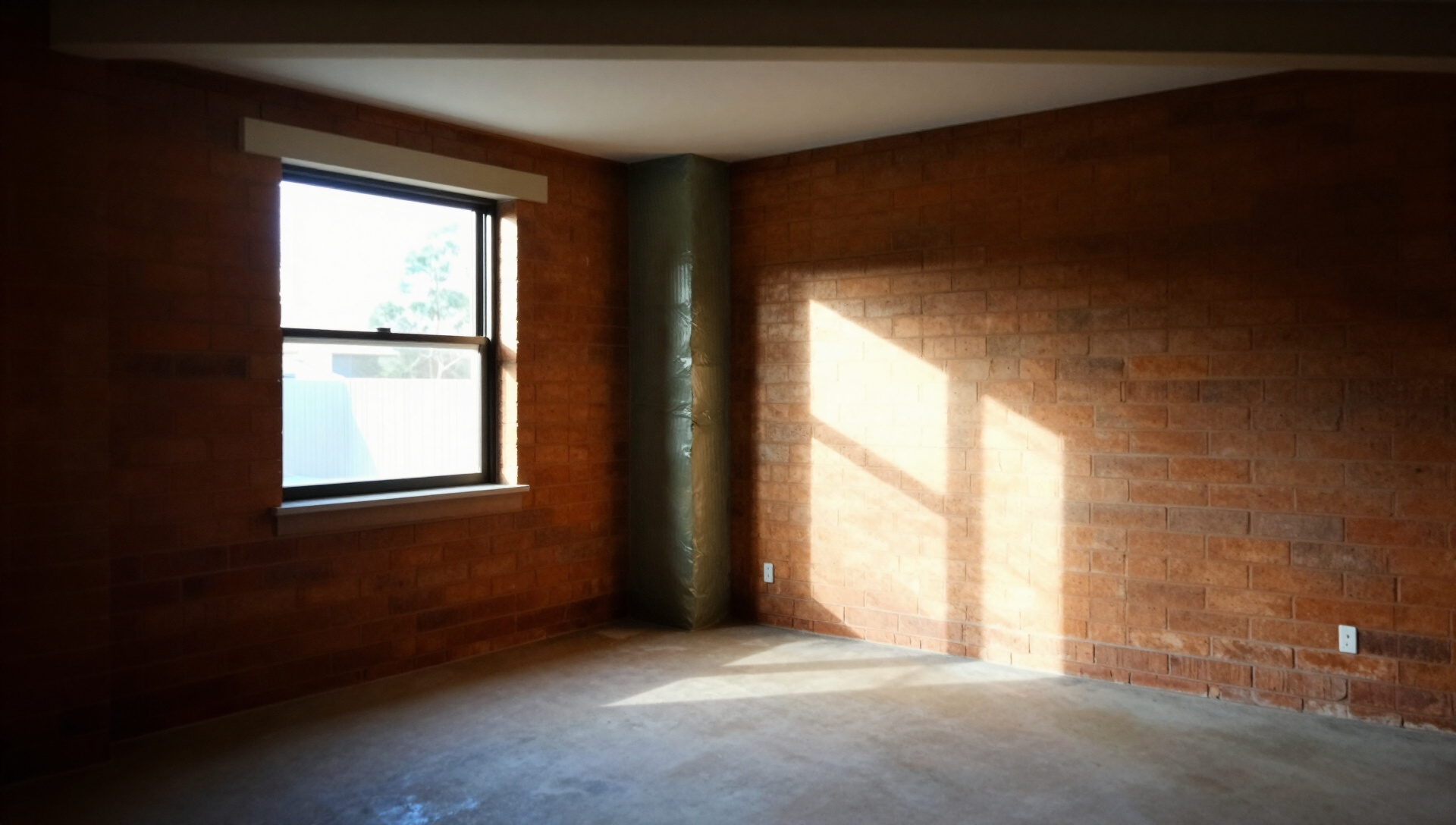
Mordialloc’s mix of older brick veneer homes and newer builds often lacks wall insulation, leading to cold walls in winter and overheating in summer. Cavity wall insulation addresses this by improving the thermal resistance of the walls themselves.
Uninsulated brick veneer walls let heat escape quickly. Cavity insulation slows this loss, keeping living areas warmer and reducing reliance on heaters.
The same insulation that traps warmth in winter reflects radiant heat in summer, easing the load on air conditioners during Mordialloc’s hot spells.
Gaps in brickwork and around windows let cold air in. Cavity insulation seals these paths, making the home feel less drafty and more consistent in temperature.
Bulk insulation in the cavity also dampens outside noise, useful for homes near Mordialloc’s busier roads or the railway line.
The process requires only small access holes in the mortar, which are colour-matched and patched afterwards. No need to remove internal linings or external cladding.
By reducing the need for heating and cooling, cavity wall insulation pays for itself over time through lower energy bills, especially in older Mordialloc homes.
The installation is quick and clean, with most Mordialloc homes completed in a day. The team first checks the wall type and condition to confirm suitability, then proceeds with the work.
A site inspection confirms the wall is brick veneer or a suitable double brick type, checks for moisture issues and ensures there are no obstructions in the cavity. If asbestos is suspected in old insulation, work stops until an assessor inspects it.
Small holes are drilled in the mortar joints at regular intervals, usually every 500 to 600mm. These provide entry points for the insulation material.
Loose-fill or blown-in bulk insulation is injected into the cavity under controlled pressure to ensure even coverage. The material is chosen for its thermal performance and moisture resistance.
The access holes are filled with colour-matched mortar and finished to blend with the existing brickwork. The site is left clean, with all debris removed.
Mordialloc has a high proportion of brick veneer homes built from the 1960s onwards, many without wall insulation. These homes often suffer from cold walls in winter and heat radiating through the bricks in summer. Cavity wall insulation is an effective retrofit solution that doesn’t require opening up the walls, making it ideal for established suburbs like Mordialloc.
Improve thermal comfort in your Mordialloc brick veneer home with cavity wall insulation installed by local experts.
Homeowners in Mordialloc often ask about suitability, cost factors and how long the work takes. Here are the key details.
Cavity wall insulation is a practical upgrade for Mordialloc homes with brick veneer construction. It targets the air gap between the inner and outer wall layers, which is a major path for heat loss in winter and heat gain in summer. By filling this cavity with bulk insulation, homeowners can achieve better thermal resistance without major renovations.
In Mordialloc, where many homes were built before wall insulation was standard, cavity insulation offers a non-invasive way to improve energy efficiency. The process involves drilling small holes in the mortar, injecting the insulation and patching the holes, all of which can typically be done in a single day. The result is a more comfortable home with reduced heating and cooling costs.
Not all walls are suitable for cavity insulation. A pre-installation inspection checks for moisture, structural integrity and the presence of any existing materials that may need removal. For Mordialloc’s climate, moisture-resistant insulation is often recommended to handle the damp conditions that can occur in brick veneer cavities.
If your Mordialloc home has uninsulated brick veneer walls, cavity wall insulation can make it more comfortable year-round. Contact Expert Insulation Melbourne to arrange an assessment and quote.